The OPC has concluded a two-year investigation into OpenAI with a well-founded finding: the company scraped personal data, including sensitive health information and details about children, without meaningful consent.1 OpenAI formally disagreed with the finding in the legal record, then accepted a conditional settlement requiring a three-to-six-month remediation roadmap.2 The ruling matters not because it resolved every question, but because it established a principle that has been absent from AI development: innovation does not grant a license to ignore the individual.
OPC Ruling #2026-002
OpenAI scraped personal data without consent (THE PAST)
4 GB per machine
Google's silent Gemini Nano download, no opt-out (THE PRESENT)
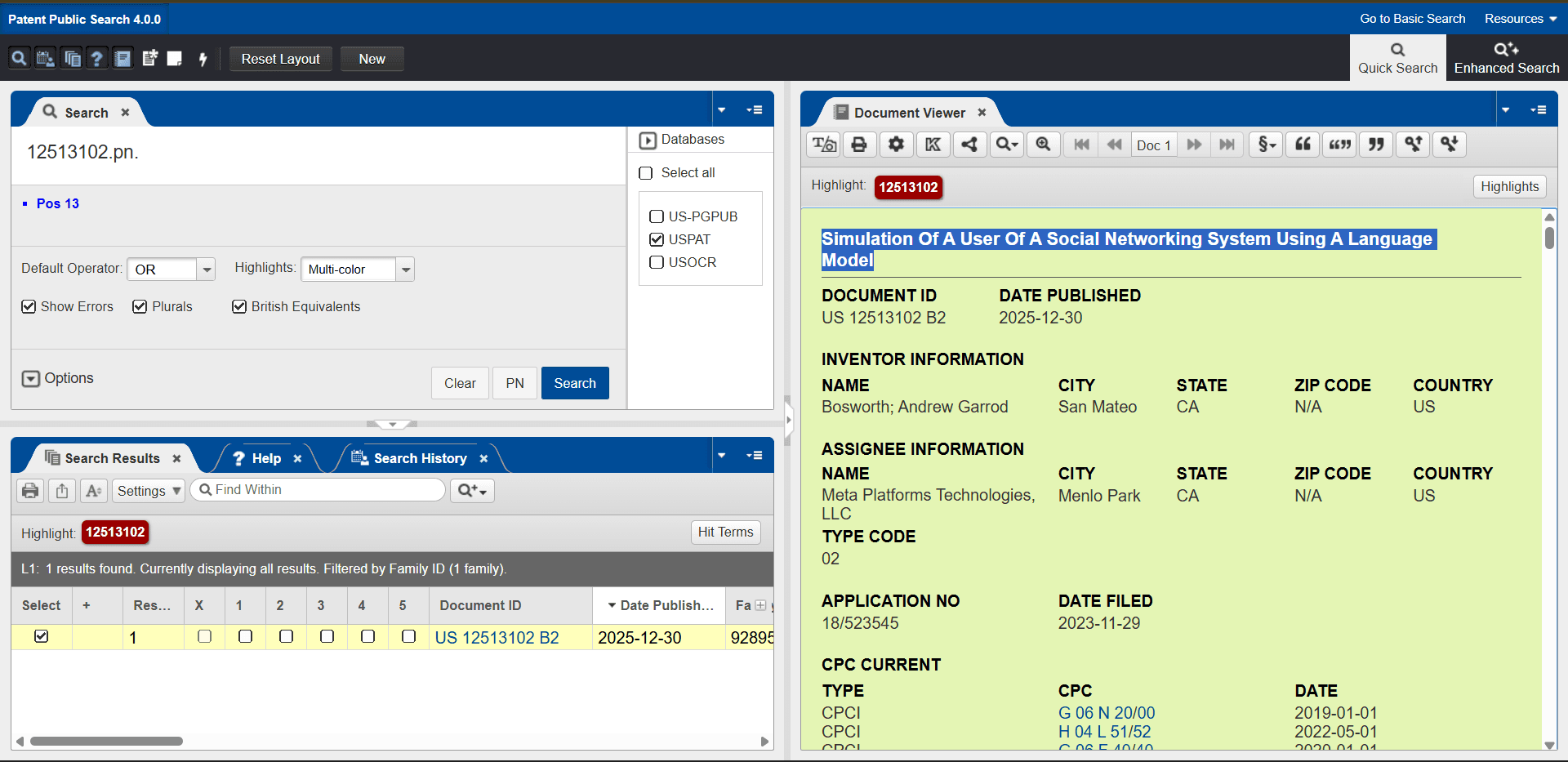
Meta Patent 12,513,102
Train on private DMs to simulate users (THE FUTURE)
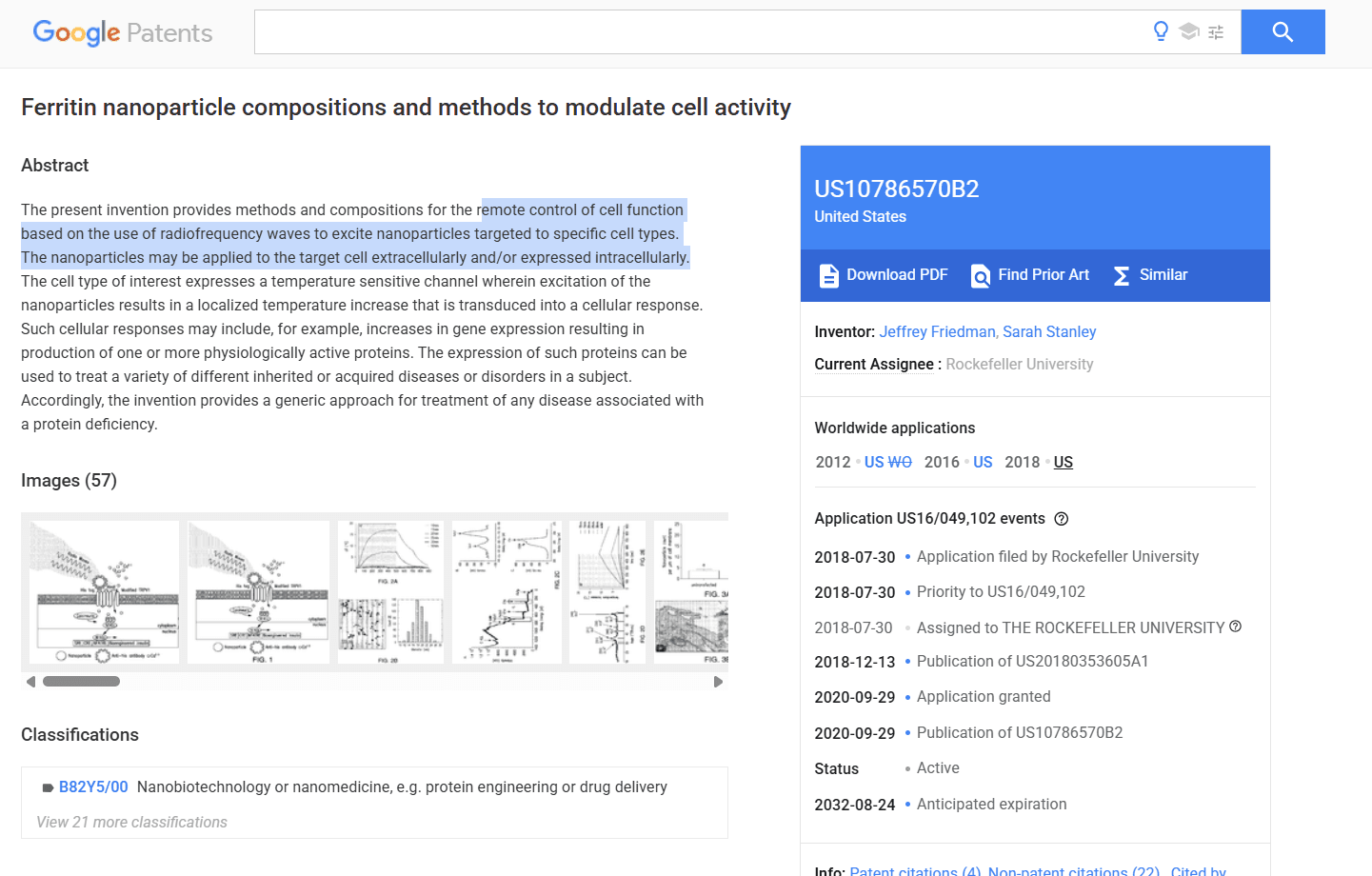
Rockefeller Patent 10,786,570
Nanoparticles to modulate cellular function (THE BIOLOGY)
Why the Ruling Matters
Findings PIPEDA #2026-0021 represents the first federal-level determination that large-scale AI training data collection without consent violates Canadian privacy law. The investigation examined OpenAI’s collection and use of personal information throughChatGPT, including data pertaining to minors and sensitive health information. The OPCfound this collection occurred without valid consent under Canada’s federal privacy framework.
The procedural posture matters as much as the substance. OpenAI formally disagreed with the finding in the legal record, yet accepted the settlement conditionally.2 This signals that the company’s public positioning of “responsible AI” and its formal legal stance diverge when tested under regulatory scrutiny. For governance practitioners evaluating AI vendors, the legal record is the operationally relevant document. The discrepancy between marketing and legal filings is itself a due diligence signal.
The public positioning and the legal record are two different documents. For practitioners evaluating vendors, the legal record is the operationally relevant one.
The conditional settlement establishes a practical reference standard. The three-to-six-month remediation roadmap specifies what adequate privacy controls must include: documented consent mechanisms, data retention protocols, and deletion procedures for training data.1This is now a public benchmark. Every organization procuring AI systems can reference the same standard the regulator used.
The ruling establishes a precedent. The examples below show why that precedent needs to travel further.
Hardware as Infrastructure: The Silent Hijack
While the OPC investigation ran, the pattern it sought to stop was expanding into new domains. In an earlier essay, we documented the recurring habit: deploy first, govern later. The example below is that habit operating in parallel. It is not a co-equal debate. It is the context that explains why the OPC principle needed to be established, and why it must travel further.
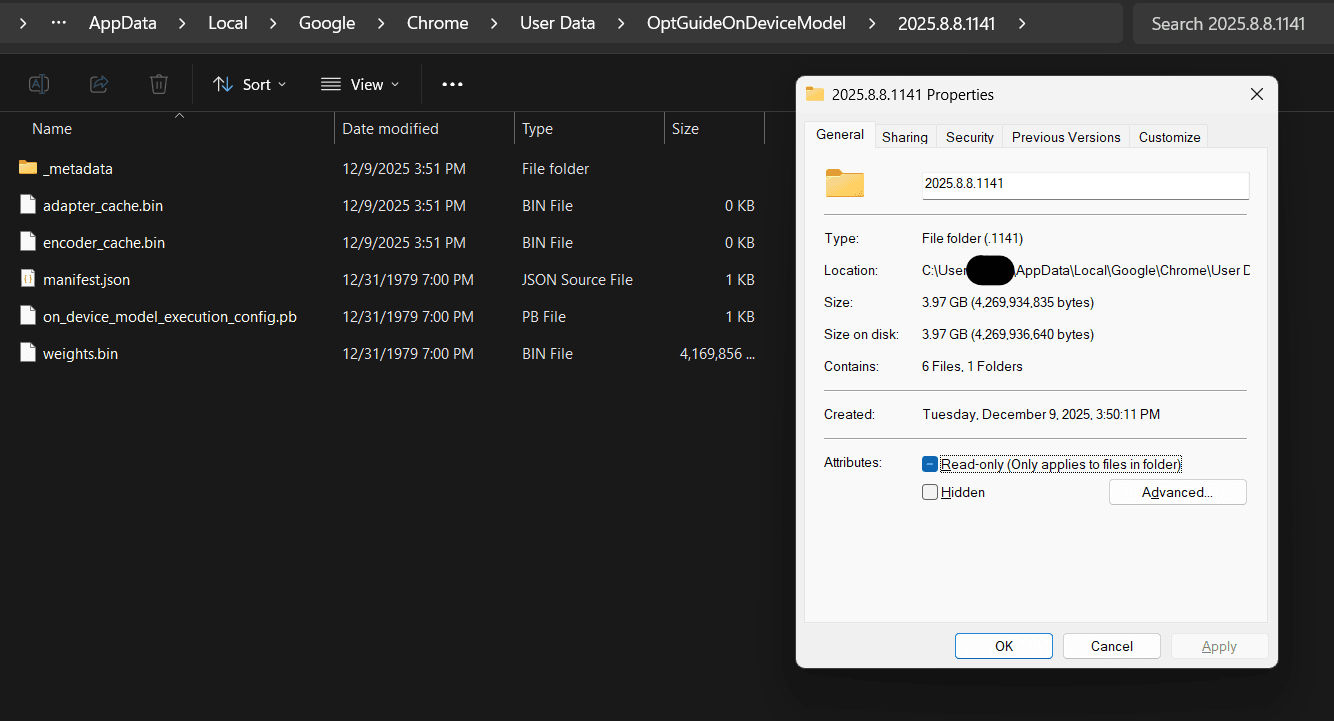
The evidence is documented. Google Chrome silently downloadsGemini Nano, a 4GB AI model, onto user machines as weights.bin inside the OptGuideOnDeviceModel directory.4 No notice. No opt-out. No user-facing disclosure. Where OpenAI scraped data from the internet, Chrome appropriates private hardware: disk space, bandwidth, and power, all consumed to host a commercial AIinference workload on machines belonging to users who were never asked. No regulator has required a legal justification. The deployment proceeded anyway.
Appropriating private hardware to host a commercial inference workload is a different category of act from extracting data. The governance response has not caught up to the distinction.
Paste chrome://on-device-internals into Chrome to verify on-device model status on your endpoints.
The hardware claim is silent. The identity claim is patented.
The Digital Ghost: Identity as Platform Asset
The encroachment does not stop at hardware. Meta’s recently granted U.S. Patent 12,513,102 B2 extends the claim into personal identity itself.5 The patent describes training alanguage modelon a user’s private messages, voice notes, and behavioral history to simulate that user when absent or deceased. The result is a perpetual platform asset that engages on their behalf indefinitely.
The OPC ruling addresses training data. The Meta patent addresses something current privacy frameworks were not designed for: a person’s communicative identity, extracted and modeled at sufficient fidelity to operate independently after death. No consent framework governs this. Deployment requires only aToSupdate in language users have already accepted. The principle the OPC established needs to extend here. It has not yet.
A behavioral model assembled from a lifetime of private communication does not fit neatly into frameworks built around data collection and storage.
The identity claim is patented. The biological claim is research.
The Biological Bridge: Cellular Governance
The trajectory does not end with identity. U.S. Patent 10,786,570 B2 from Rockefeller University describes usingradiofrequencywaves to excite targeted nanoparticles, remotely modulating cellular function including gene expression and protein production.6 This is not an imminent commercial threat. It is the direction of the arc.
Each step in this progression is legal and documented. None has triggered a comprehensive governance response from the institutions that will eventually need to govern the next one. The pattern is consistent: behavioral data collected without consent, hardware appropriated without disclosure, identity modeled and perpetuated without defined rights, and now a research trajectory pointing toward biological function as a governable variable.
The research is published. The framework is absent.
Four Fronts, One Pattern
Mapped together, the pattern is legible. Each claim has proceeded incrementally, within what existing law permits or has not yet prohibited. The frameworks that might have required consent, disclosure, or rights protection were written before the relevant capabilities existed, and have not been revised quickly enough to matter.
| Actor | Claims | Mechanism |
|---|---|---|
| OpenAI | Your Past | Scraped training data including sensitive and minor-related information, without consent |
| Your Present | Silent 4GB model download to local hardware without notice or opt-out | |
| Meta | Your Future | Patented simulation of deceased or absent users from private message history |
| Biotech | Your Biology | Radiofrequency-driven nanoparticle frameworks for remote cellular modulation |
The frameworks that might have constrained these capabilities were written before the capabilities existed, and have not been revised fast enough to matter before deployment.
Why Governance Must Be Proactive
The four fronts above span intentional corporate strategy, malicious third-party insertion, and accidental security failure. Governance frameworks that respond only after harm is visible will always arrive too late to prevent the harm itself. Three real scenarios illustrate why proactive readiness is mandatory:
First: Intentional Appropriation with Consent Theater
Meta’s smart glasses capture video and audio of workers in their environments. In March 2026, workers sued, alleging privacy violations and workplace surveillance without explicit consent.7 The device framing is marketed as consumer-grade wearable technology. The legal basis for deployment in workplaces is a terms-of-service update. No new governance framework was required before the device reached the market. Organizations that assume their existing privacy policies cover this scenario will discover during litigation that they do not.
Second: Malicious Hardware Implantation at Supply Chain Depth
In May 2025, Chinese inverter manufacturers distributed devices with hidden backdoor firmware that created persistent command-and-control channels.8 These were not discovered until deployed in production environments at scale. No inspection regime caught them. No governance framework prevented their purchase and installation. Organizations that assume vendor due diligence will catch these failures are operating on faith, not evidence.
Third: Accidental Exposure Through Protocol Weakness
A user accidentally gained control of over 6,700 robot vacuums while tinkering with their own device.9 The protocol weakness exposed floor plans, live video feeds, and operational patterns from homes across multiple regions. No explicit attack was required. The system’s designed functionality was sufficient to create the exposure. Organizations that wait for a headline before auditing deployed device inventory will spend months in reactive containment.
Each scenario demanded governance before harm became visible. Each scenario involved systems already in production. The difference between organizations that absorbed the damage and those that prevented it was not reactive speed. It was proactive inventory, testing, and evidence.
Governance readiness is the capacity to answer “what is deployed and what does it do” within hours, not weeks. Anything slower is reactive.
Closing
The OPC investigation took two years. The systems it examined were already in production when it opened. That gap between deployment and regulatory response is not a Canadian peculiarity; it is the structural condition under which AI development is operating across every jurisdiction. The finding establishes that unconsented use of personal data in AI training has a legal ceiling. Other jurisdictions will reference it.
Governance Takeaways
- Audit AI vendor agreements for training data provenance and consent basis before procurement.
- Check endpoints for the Chrome OptGuideOnDeviceModel directory and weights.bin. Document findings.
- Review terms-of-service acceptance procedures with legal before platform updates take effect.
- Treat the OPC finding as a preview of questions your own regulator will ask. Read the primary document.
The ruling is not a resolution. It is the opening of a longer argument. But it is also something rarer: governance arriving before a catastrophic public failure forced it. The most dangerous habit in this industry is assuming controls can catch up later. The OPC ruling is evidence that they can arrive earlier, if the institutional will exists to pursue them. The governance posture that follows is not reactive: it asks, before procurement and before deployment, whether integrated systems can demonstrate the controls a well-founded regulatory finding would eventually demand. Canada has now specified what those controls look like. That document exists. Use it.